


Last updated: October 16, 2026
Teeth bleaching treatment uses whitening agents to lighten discolored natural teeth. At Good Tooth Dental Care in Bellevue, our tooth and teeth whitening service includes a laser whitening option, while the right approach depends on the cause of staining, tooth sensitivity, and any existing dental work.
What Is Teeth Bleaching Treatment, and How Does It Work?
Teeth bleaching uses hydrogen peroxide or carbamide peroxide to break stains into smaller pieces, making discoloration in natural teeth less concentrated and the teeth appear lighter.
The American Dental Association’s guidance on whitening explains that bleaching changes the color of natural teeth, not tooth-colored fillings, crowns, or veneers. A visible restoration may therefore remain darker than the surrounding teeth after treatment.
What Causes Tooth Discoloration?
Coffee, tea, other strongly colored foods and drinks, and tobacco can stain teeth. Teeth can also look darker with age, while certain medications can cause discoloration that may be harder to address with bleaching. Identifying the cause helps set a realistic goal for treatment.
Does Professional Teeth Bleaching Actually Work?
Yes, although the amount of color change varies with a person’s starting shade and type of stain.
A 2024 systematic review of professional tooth whitening included 30 articles examining in-office, at-home, and combined bleaching. The authors found that the approaches examined changed tooth color, with no single approach consistently more effective. Some comparisons found less recurrence with at-home carbamide peroxide trays than with in-office bleaching. The review reached no clear conclusion about sensitivity across approaches, although it suggested sensitivity may be higher with in-office and combined bleaching. It did not compare these approaches with over-the-counter products.
Who Is a Good Candidate for Teeth Whitening?
Adults with healthy natural teeth and discoloration that responds to bleaching may be good candidates for tooth whitening. Yellowing and common food or drink stains often respond better than some medication-related or gray discoloration. Tooth sensitivity, oral health, and visible restorations also shape whether bleaching is suitable and what result is realistic.
If discoloration is unlikely to respond to bleaching, we can evaluate its cause and discuss whether another option, such as veneers, would suit your teeth rather than continuing to bleach.
Can Yellow Teeth Be Whitened?
Often, yes. The American Dental Association’s patient guidance on teeth whitening says yellow teeth will probably bleach well, while brown teeth may respond less and gray-toned teeth may not bleach. The guidance also notes that medication-related discoloration may not respond effectively. Tetracycline is one medication that can contribute to tooth stains.
What Happens During an In-Office Bleaching Visit?
At an in-office bleaching visit, our team assesses your tooth color and oral health, protects your gums, and applies bleaching gel to your teeth. The visit generally follows these steps:
- The dental team assesses tooth color and oral health.
- They protect the gums with a gel or shield.
- They apply whitening gel to the teeth.
- They check the result after treatment.
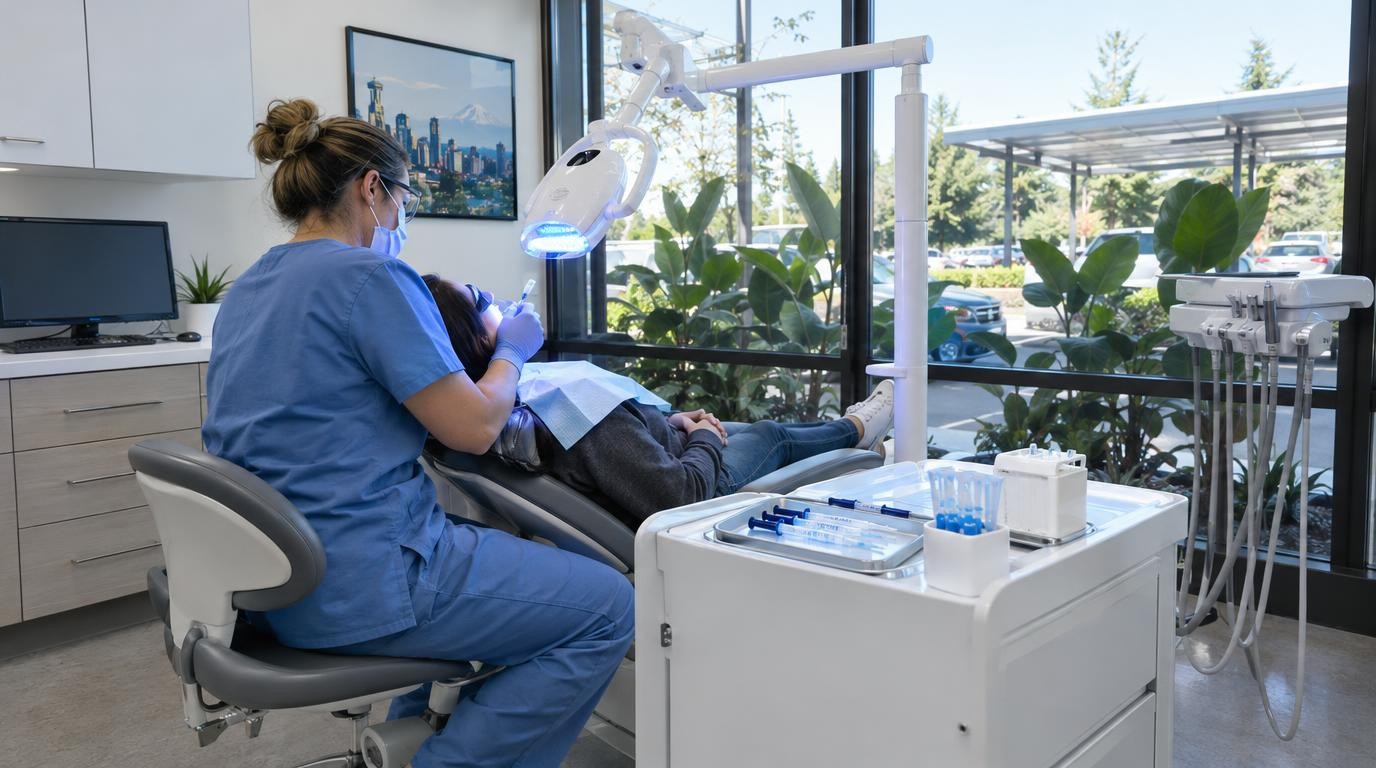
Products and timing vary with the treatment plan.
Gum protection helps prevent irritation and chemical burns because in-office bleaching solution can burn gum tissue on contact. Our laser whitening option can produce visible results in one hour, although the amount of lightening varies by patient.
What Is the Most Effective Teeth Whitening Technique?
No whitening technique is best for every person. In-office bleaching offers professional application and may produce a quicker visible change; dentist-supervised trays allow whitening at home under dental guidance; over-the-counter strips offer a self-applied option. The most useful choice depends on the cause of discoloration, desired pace, sensitivity, and restorations.
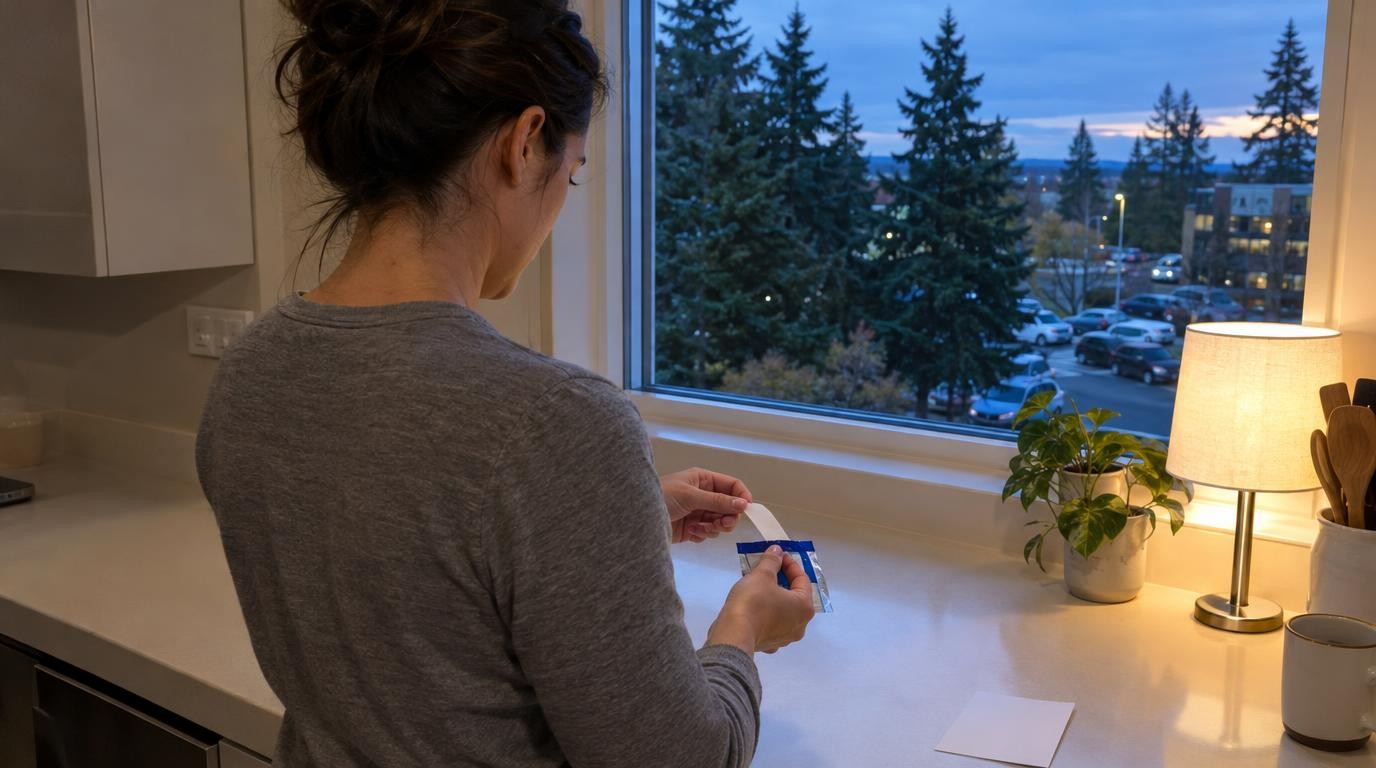
The approaches differ in supervision and how they fit into a patient’s routine:
| Approach | Supervision and routine | What to consider |
|---|---|---|
| In-office bleaching | A dental team applies the treatment during a visit. | May suit someone who prefers a quicker, professionally applied option. |
| Dentist-supervised trays | A dentist provides a custom tray and instructions for home use. | Allows a more gradual approach at home. |
| Over-the-counter strips, gels, and rinses | The user selects a product and follows its directions. | Bleaching strips and gels can lighten natural teeth, but results may take longer than in-office treatment. Rinses are generally slower options. |
| Whitening toothpaste | The user brushes with it as directed. | It mainly removes surface stains and generally produces a subtler change than peroxide bleaching, which can lighten some deeper discoloration. |
Some patients prefer our laser whitening to using trays at home; that preference does not establish better long-term results. For a closer look at whitening-agent choices, see our guide to PAP and peroxide teeth whitening.
Is It Worth Getting Teeth Whitened at the Dentist?
It can be worthwhile if you want a faster visible change or a custom-fitted tray for home use. In-office treatment generally uses a higher bleaching-agent concentration than over-the-counter kits and can show results sooner. Mayo Clinic’s guidance on teeth whitening says dentist-provided methods tend to produce more noticeable and longer-lasting results than nonprescription products, although store-bought products can also whiten natural teeth.
What Are the Risks of Teeth Bleaching Treatment?
Johns Hopkins Medicine identifies gum irritation and increased tooth sensitivity as the most common side effects of peroxide bleaching. Cleveland Clinic describes temporary tooth sensitivity or gum irritation after starting a whitening product as very common. These effects can be uncomfortable during or after treatment but usually resolve quickly.
Discuss your own teeth, gums, and treatment options with your clinician before whitening. If you develop severe or persistent pain, substantial gum injury, or swelling after treatment, seek prompt dental or medical advice; trouble breathing requires urgent care. Our guide to teeth-whitening safety explains these considerations in more detail.
Is a Teeth Whitening Procedure Painful?
Whitening can cause temporary sensitivity, but it is not painful for everyone. Sensitivity may feel like a brief response to cold or a more noticeable toothache. If discomfort begins during an office visit, the team can pause treatment to check the teeth and gums.
Who Should Avoid or Delay Teeth Bleaching?
If you have untreated cavities, an active infection, gum recession, significant tooth sensitivity, worn enamel, gum disease, or another mouth disease such as oral cancer, see a dentist before considering bleaching. Cavities, infections, and gum or mouth disease need appropriate care first. Worn enamel, recession, and existing sensitivity also need assessment: bleaching may be inadvisable or particularly uncomfortable.
What Results Can You Expect, and How Long Do They Last?
The outcome of teeth bleaching depends on the original color, the type of staining, and the whitening approach. The American Dental Association’s report on whitening expectations says in-office bleaching can brighten teeth by up to eight shades in one visit; that is a possible upper result, not an expected outcome for our clinic or for you. The American Dental Association also reports that effective whitening can last more than one year with adequate care, but no duration is guaranteed for an individual. Coffee, tea, tobacco, and aging can contribute to discoloration again.
Maintaining oral hygiene and limiting stain-producing habits can help preserve the appearance of whitening, while any future touch-up plan should reflect your sensitivity and how your teeth respond.
Frequently Asked Questions
Should I get a dental cleaning before teeth bleaching?
Yes. A dentist quoted in an article on the American Dental Association’s site recommends an exam, cleaning, and dental clearance before whitening. The exam can identify cavities, active infections, or gum recession that may increase irritation or sensitivity.
How long does dentist-supervised whitening at home take?
Dentist-supervised at-home bleaching can take anywhere from a few days to a few weeks, according to the American Dental Association. Your dentist provides a custom tray and instructions for using the bleaching solution. The timeline depends on the treatment plan and how your teeth respond.
How long do results from dentist-provided whitening trays last?
Mayo Clinic estimates that results from dentist-provided trays usually last about two years. That estimate applies to trays, not every whitening method; new stains can shorten how long the change remains noticeable.
How do I choose an over-the-counter teeth-whitening kit?
Look for an over-the-counter bleaching kit with the ADA Seal of Acceptance and follow its directions. The American Dental Association says the seal indicates a product has been tested for safety and effectiveness. Avoid getting bleaching gel on your gums, where it can cause irritation.
How long does whitening toothpaste take to make teeth look brighter?
According to Mayo Clinic, whitening toothpaste generally takes about two to six weeks of twice-daily use to make teeth appear whiter. Follow the product’s directions.
Can bleaching whiten a tooth that darkened after an injury?
Usually not. The American Dental Association advises that whitening will not be effective for injury-related discoloration. A tooth that darkens after an injury needs a dental evaluation to identify the cause rather than routine cosmetic bleaching.
What should I do if at-home whitening makes my teeth sensitive?
Pause bleaching and let us know about the sensitivity. We can assess whether changing the product or treatment schedule would help; do not continue bleaching through significant discomfort.
How Can Patients From Medina Plan a Whitening Visit?
Patients from Medina, Washington, can visit our Bellevue office for professional teeth whitening, including our laser option. We can assess discoloration, sensitivity, and visible dental work when considering a treatment plan.
To arrange a consultation, contact Good Tooth Dental Care at 425-401-5000. Our clinic is at 4122 Factoria Blvd SE, Suite 301, Bellevue, Washington. We can help you decide whether teeth bleaching treatment is a suitable way to brighten your natural teeth.
This information is general and is not medical advice. Talk to a licensed clinician about your own situation before making a treatment decision.
